Metabolic fingerprinting of human plasma in dementia A pilot study of metabolome decomposition
https://ctrmrc.tums.ac.ir//مقالات علمی/Metabolic-fingerprinting-of-human-plasma-in-dementia-A-pilot-study-of-metabolome-decomposition
Background As the number of people with dementia grows, it becomes even more important to improve how it is diagnosed and treated. Metabolomics, the study of small molecule metabolites in biological systems, helps us learn a lot about dementia by revealing changes in the brain's systems through blood plasma research. Abstract Background As the number of people with dementia grows, it becomes even more important to improve how it is diagnosed and treated. Metabolomics, the study of small molecule
Network analysis of liver cancer: a system biology approach
https://ctrmrc.tums.ac.ir//مقالات-علمی/Network-analysis-of-liver-cancer:-a-system-biology-approach
Aim Determining critical dysregulated proteins in liver cancer was the main aim of this study Abstract Aim Determining critical dysregulated proteins in liver cancer was the main aim of this study. Background Liver cancer is a common health problem characterized by difficulties in early diagnosis and rapid progression. Due to the lack of targeted drugs and the other features of the disease, the survival rate for patients is extremely low. Methods The related dysregulated proteins for liver cance
A systematic study of nano-based fibrous systems: Diagnostic and
https://ctrmrc.tums.ac.ir//article/A-systematic-study-of-nano–based-fibrous-systems:-Diagnostic-and-therapeutic-approaches-for-dementia-control
therapeutic approaches for dementia control therapeutic approaches for dementia control Over the last few years, protein-based nanofibrous biomaterials have been used for better controlling dementia. PubMed, Scopus, and ISI Web of Science were consulted for available articles on nano-based fibrous systems for the treatment and diagnosis of dementia (up to October 2022). Eleven studies evaluated nanofibrous electrospun biomaterials for better dementia control. Additionally, four studies inspected
Cellular benefits of gene therapy seen decades after treatment
https://ctrmrc.tums.ac.ir//مطالب-آموزشی/Cellular-benefits-of-gene-therapy-seen-decades-after-treatment
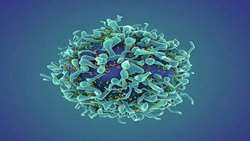
The results showed that even though the stem cells transplanted as part of gene therapy had been cleared by the patients, the all-important corrected immune cells, called T-cells, were still forming Gene therapy works by first removing some of the patients' blood-forming stem cells, which create all types of blood and immune cells. In the gene therapy for SCID-X1 the corrected stem cells have been eventually cleared by the body but the patients remained cured of their condition. the research tea